
¿When Should Nebulizations Be Performed?
25 December 2025
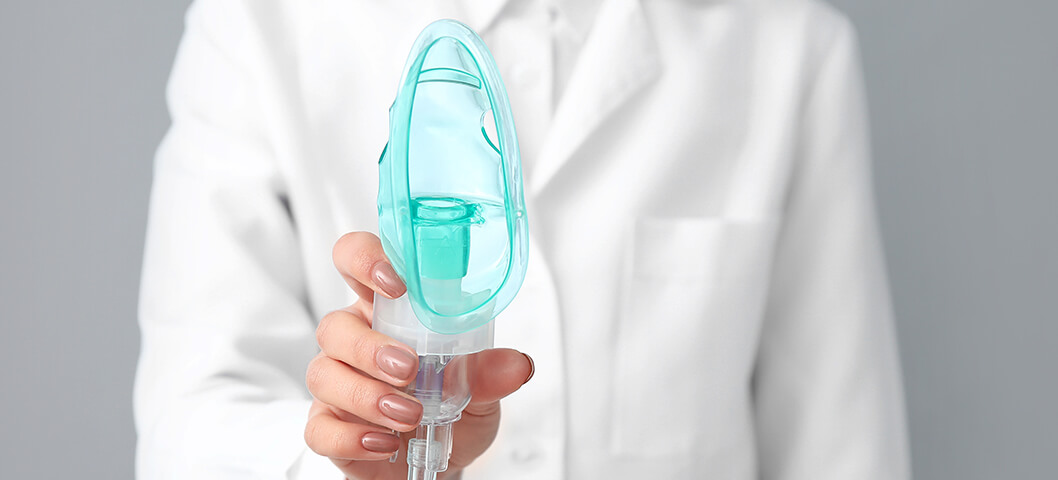
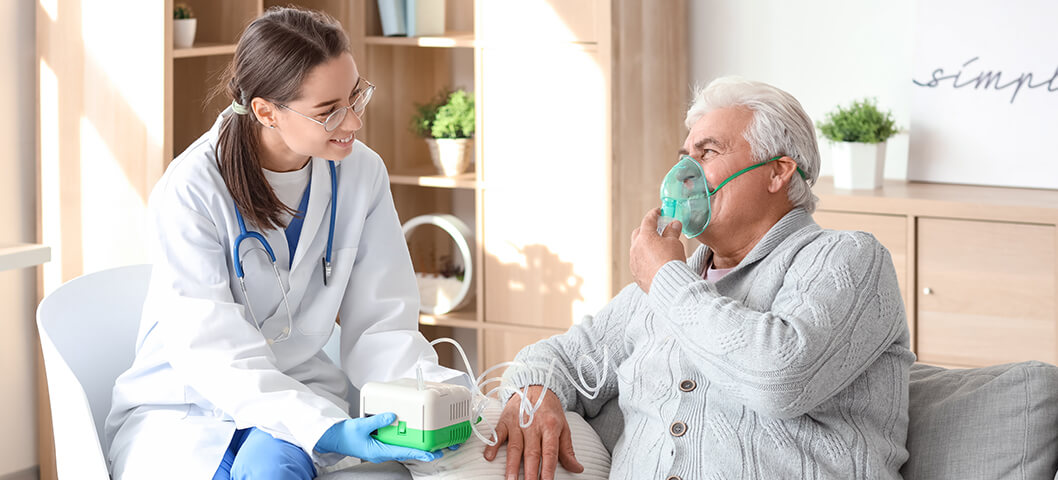
Nebulization is a medical procedure that consists of administering a medication or therapeutic solution in vapor form through the respiratory tract.
This technique is mainly used in patients with respiratory diseases. Through nebulization, medications that are only available in liquid form can be administered.
One of the main advantages of this technique is that it can be used in infants with respiratory conditions, since in addition to delivering medication, it also helps soften secretions so they can be eliminated more easily.
According to Emilio Saturno, a pediatric and adult allergist and immunologist, patients who suffer from asthma or recurrent wheezing from a very young age can be treated with inhaled medications through nebulization.
There are two types of nebulized medications: rescue medications, which are used when the patient has symptoms and help relax the muscles of the bronchi, opening the airways and improving asthma symptoms.
On the other hand, there are asthma maintenance medications, which help reduce inflammation in the bronchi of asthmatic patients, preventing asthma attacks.
Nebulizations are recommended in cases of chronic cough, wheezing, or difficulty breathing. They are also recommended for children diagnosed with bronchiolitis. Some doctors recommend saline water nebulizations for babies to help clear the nasal passages when they are congested with mucus.
It is important to consult a trusted physician if any of the above symptoms are present, so that a specialist can recommend this or another appropriate technique. If nebulizations are performed, remember that the mask should not be shared, but the device itself can be.